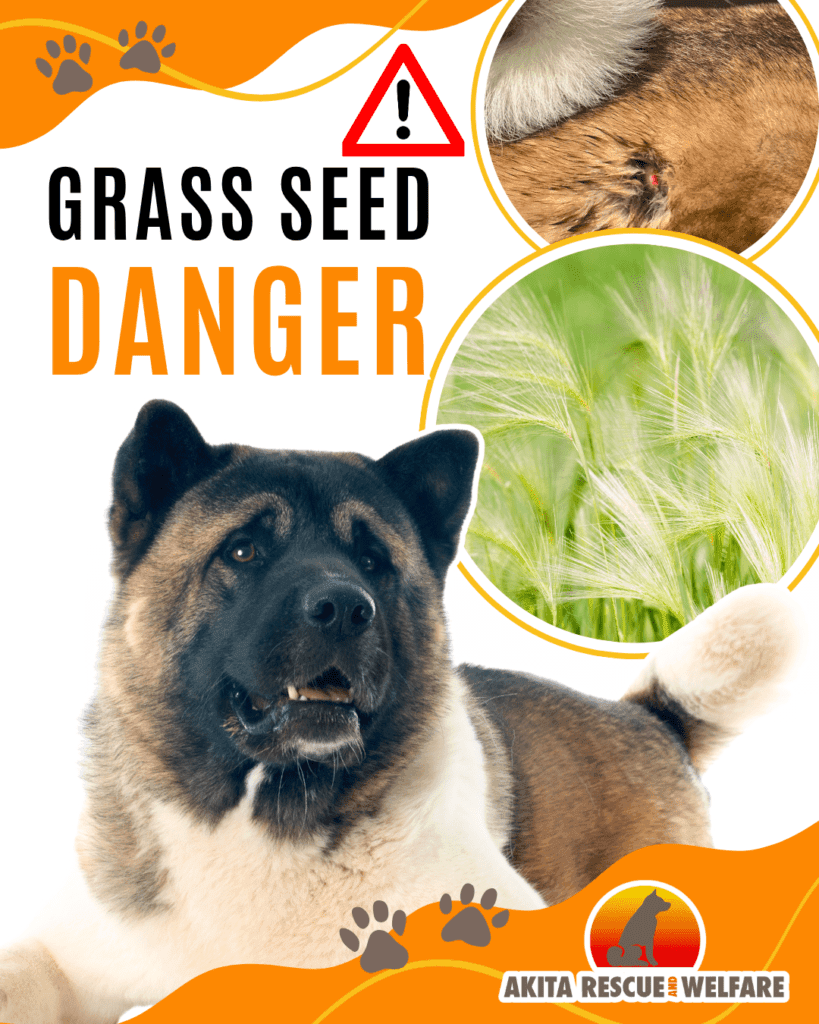
As the weather warms up and fields become dry and overgrown, grass seeds become a serious seasonal danger for dogs. Every year, vets see countless cases where these tiny seeds cause painful injuries, infections, and sometimes emergency surgery.
For dogs who love exploring woodland paths, parks, and charging through long grass, it’s something every owner should be aware of.
What Are Grass Seeds?
Grass seeds are small, sharp seed heads found on many common grasses during late spring and summer. They may look harmless and easily brush off into your dog’s fur on a walk, but other varieties like Barley or Foxtail are more sinister. Their sharp pointed shape allows them to attach to fur and work their way into the body, piercing the skin.
Unlike splinters, grass seeds do not naturally come back out. They travel forwards through tissue, causing irritation, infection, and abscesses as they move.
Where Do Grass Seeds Get Stuck?
The most common areas are:
- Between the toes
- Inside ears
- Around the eyes
- Up the nose
- Under the armpits
- Groin area
- Anywhere hidden beneath thick fur
Akitas and other double coated breeds can be especially vulnerable because seeds can easily hide unnoticed in dense fur. Along with long haired breeds, spaniels / doodles and dogs with floppy ears or hairy feet.
Signs to Watch For
After walks, especially in dry grassy areas, keep an eye out for:
- Sudden limping
- Constant licking or chewing at paws
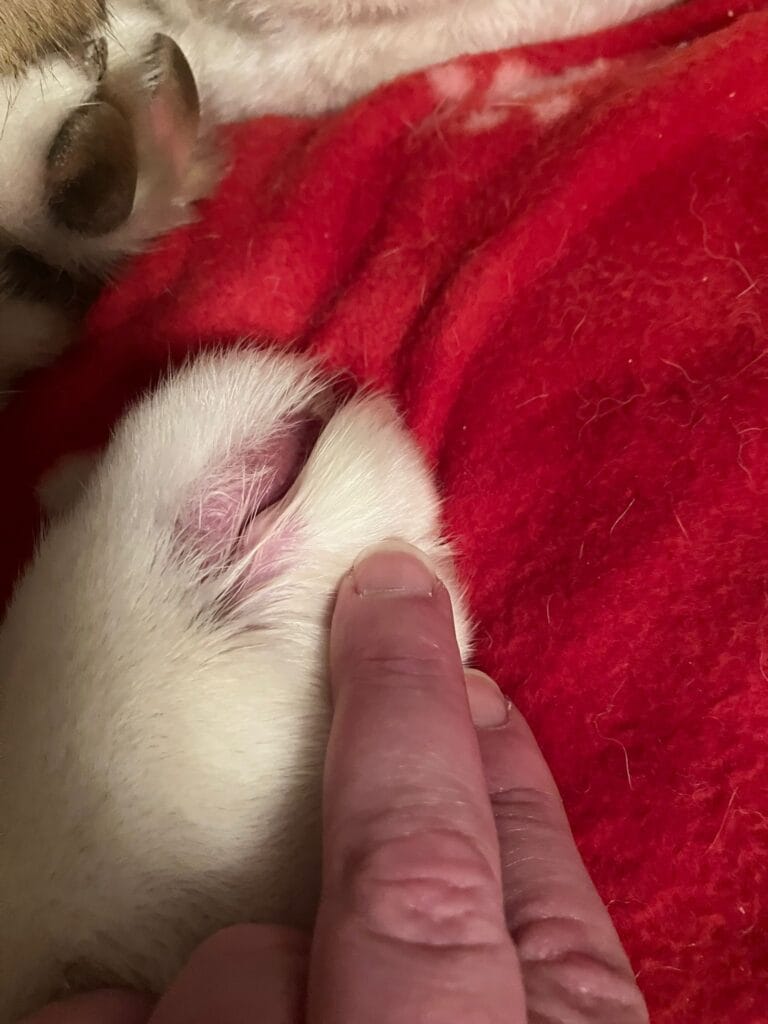
- Swelling between the toes
- Head shaking or ear scratching
- Sneezing fits
- Squinting or watery eyes
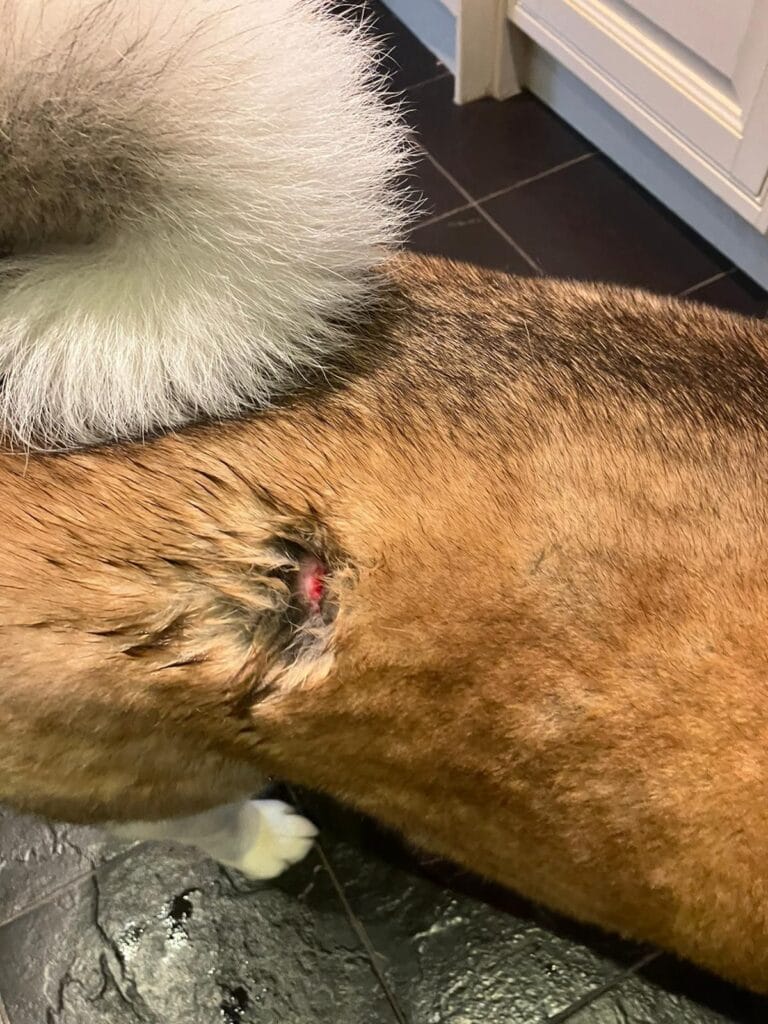
- Small wounds or oozing sores
- Sudden pain or sensitivity
These symptoms can appear very quickly, sometimes within hours of a walk.
Why Grass Seeds Are So Dangerous
Grass seeds are not just irritating. Once embedded, they can travel deeper into the body and cause:
- Painful abscesses
- Severe infections
- Damage to ears or eyes
- Deep tissue migration
- In rare cases, chest or lung complications
Many cases require sedation or surgery to safely locate and remove the seed.
Prevention Tips
A few minutes of checking after walks can prevent serious problems.
After Every Walk:
- Check paws carefully, especially between toes
- Look inside and around ears
- Brush through thick fur
- Remove visible seeds immediately
- Check armpits and groin areas
- During High-Risk Months:
- Avoid very dry, seedy grass where possible
- Keep fur around paws trimmed
- Consider shorter routes through mown areas
- Groom regularly during summer
When to Contact Your Vet
Please seek veterinary advice if your dog has:
- Persistent limping
- A swollen paw
- Repeated sneezing
- Sudden ear pain
- An unexplained lump or abscess
- Excessive licking that does not stop
Early treatment is much easier and safer than waiting for a grass seed to migrate deeper.
A Final Reminder
Grass seeds may be small, but they can cause serious pain and complications for dogs. As rescue owners and dog lovers, awareness and quick action can make all the difference.
Please share this post to help keep more dogs safe this summer