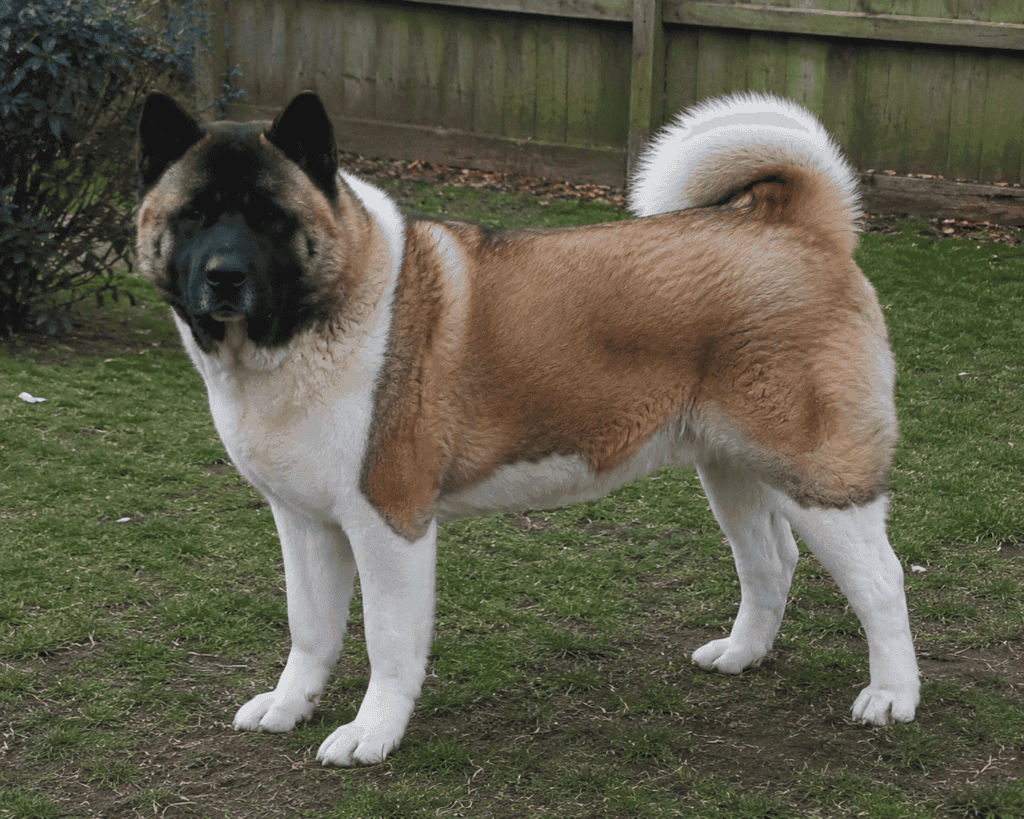
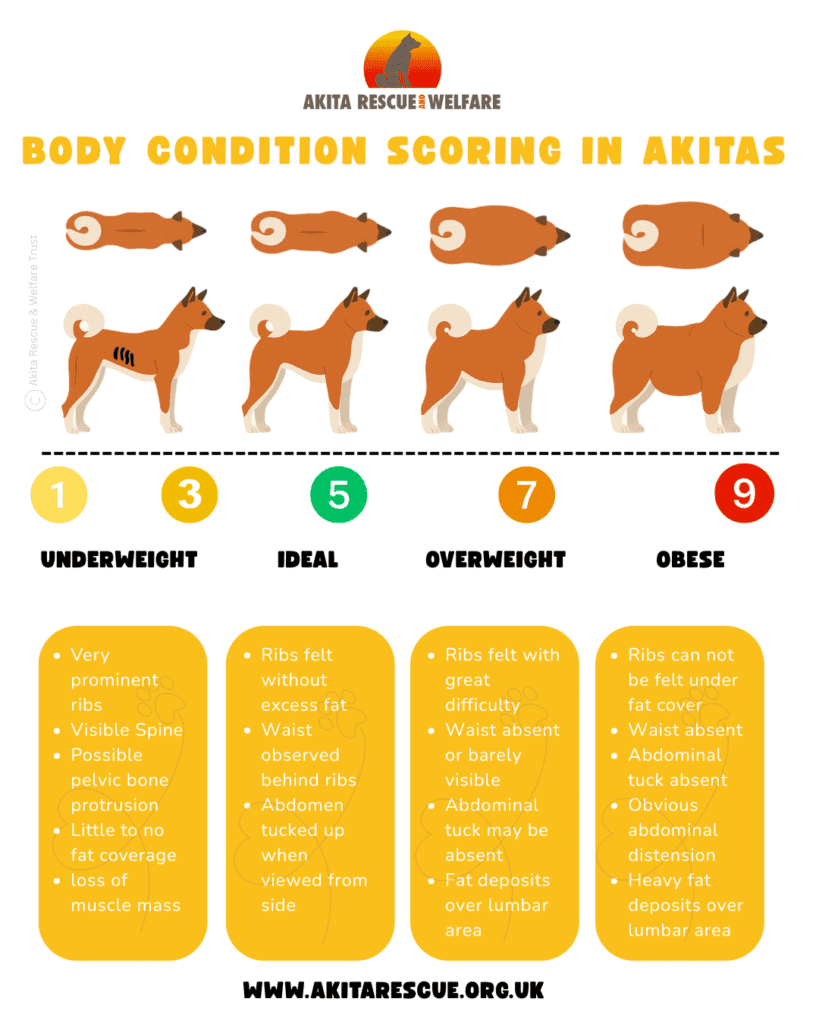
Over the past few weeks we’ve seen an increasing number of photos shared on social media showing overweight Akitas. The comments are often the same: “chunky”, “big boned”, “extra fluffy” or “just a well loved dog”.
We understand these comments are usually made with affection, but obesity in dogs is not something to celebrate.
Last July we published our blog post, “Killing With Kindness”, highlighting the dangers of canine obesity and why maintaining a healthy weight is one of the most important things you can do for your dog’s long-term health.
Unfortunately, the message remains just as important today.
Your Dog Has No Control Over Their Weight
- Dogs don’t choose how much food goes into their bowl.
- They don’t decide how many treats they receive throughout the day.
- They don’t help themselves to leftovers from the fridge or extra biscuits from the treat jar.
- We make those decisions for them.
- When a dog becomes overweight, it is rarely because they are “greedy”. It is usually because, over time, they have simply been given more calories than they need.
Why Being Overweight Is So Dangerous.
Excess weight doesn’t just make a dog look different. It affects every aspect of their health.
For large breeds such as the Akita, the impact can be particularly severe.
Joint Damage and Arthritis
Every extra kilogram places additional stress on joints that are already working hard to support a large, powerful dog. Over time this can accelerate arthritis, reduce mobility and leave dogs living with chronic pain.
Cruciate Ligament Injuries and TPLO Surgery
One of the most common and costly injuries seen in overweight dogs is a ruptured cruciate ligament.
These injuries are painful, often require TPLO surgery, and can involve months of rehabilitation.
Maintaining a healthy weight significantly reduces the strain placed on these important structures.
Diabetes
Obesity is a major risk factor for diabetes.
This can result in lifelong treatment, regular monitoring and significant veterinary costs, not to mention the impact on the dog’s quality of life.
Heart and Breathing Problems
Carrying excess body fat makes the heart and lungs work harder.
Many overweight dogs tire more easily, struggle in warm weather and become less willing to exercise.
Reduced Lifespan
Perhaps the hardest fact of all is that overweight dogs generally don’t live as long as dogs maintained at a healthy body condition.
Those extra treats may seem like an act of love in the moment, but they can ultimately take precious years away from your dog.
Helping Your Dog Lose Weight Doesn’t Need Expensive Diet Food
One of the biggest myths surrounding weight loss is that owners need to spend a fortune on specialist “slimming” or “weight management” foods.
In many cases, successful weight loss comes down to simple management changes.
- Weigh Every Meal
- Using a scoop and estimating portions is one of the most common causes of overfeeding.
- Invest in a set of kitchen scales and weigh food accurately.
- Count Every Treat (Treats contain calories too) A handful of biscuits here and there soon adds up. Consider using part of your dog’s normal daily food allowance as rewards instead.
- Stop Feeding Extras
- Table scraps, leftovers and little “just because” snacks can contribute significantly to weight gain.
- Increase Exercise Safely
- Gradually increasing daily exercise can help burn calories and improve fitness.
- If your dog is already overweight, avoid suddenly increasing activity levels and speak to your vet if you have concerns.
Monitor Progress
- Regular weigh ins are essential.
- Healthy weight loss should be gradual and sustainable, not rapid.
- Speak to Your Vet. Your vet can help determine your dog’s ideal weight and assess their body condition score.
Real Love Means Making Difficult Choices
We all love spoiling our dogs.
But true kindness isn’t measured in treats.
True kindness is helping them maintain a healthy weight, protecting their joints, reducing their risk of disease and giving them the best possible chance of living a long, active and comfortable life.
If you haven’t already read our original article, we encourage you to take a look:
“Killing With Kindness”
Sometimes the kindest thing we can do for our dogs is simply say no to that extra treat.
Read the original article here ⬇️
. https://www.akitarescue.org.uk/killing-with-kindness…/