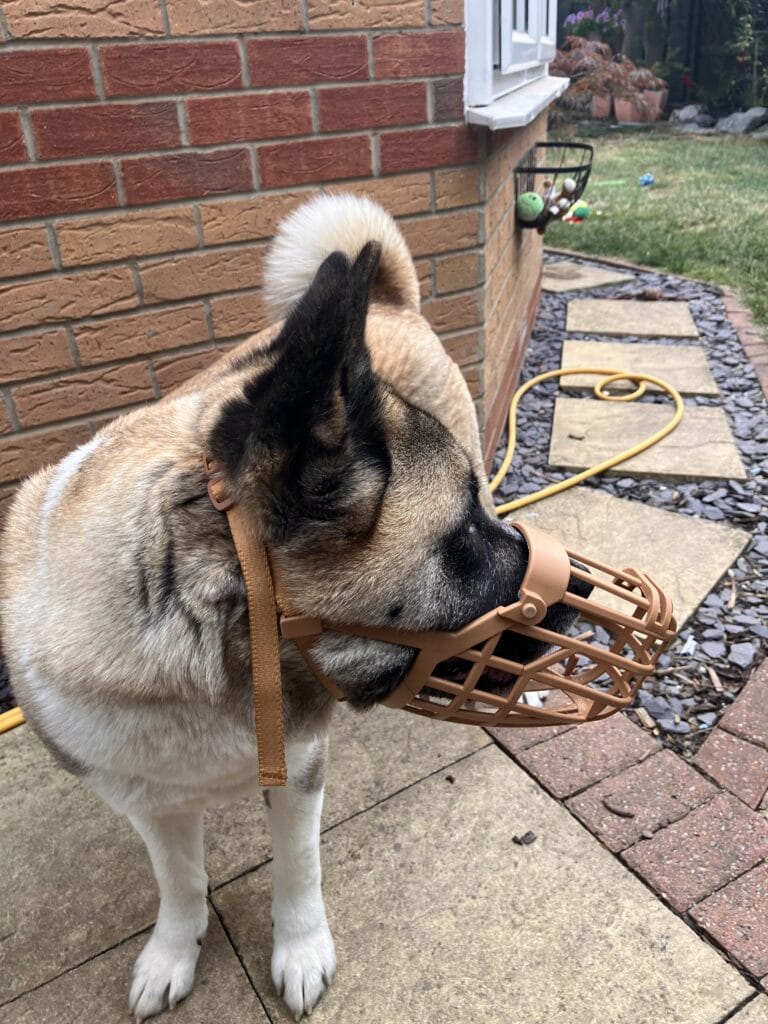
When people see a dog wearing a muzzle, they often assume the worst. They may think the dog is aggressive, dangerous, or unpredictable.
The reality is often very different.
A well fitted muzzle is simply another piece of safety equipment, much like a lead, harness, or seatbelt. It is a responsible management tool that can help keep dogs, their owners, and the public safe in a variety of situations.
Training your dog to happily wear a muzzle before they ever need one can make life far less stressful if unexpected situations arise.
Why Muzzle Training Matters
The best time to teach your dog to wear a muzzle is when they don’t actually need one.
By introducing it slowly and positively, your dog learns that wearing a muzzle is nothing to worry about. If they ever need one in the future, they’ll already be comfortable and confident.
Waiting until an emergency happens can make the experience much more frightening for both you and your dog.
Situations Where a Muzzle Can Help
There are many perfectly reasonable situations where even the friendliest dog may benefit from wearing a muzzle.
Veterinary Visits
Pain, fear, or illness can cause even the gentlest dog to react defensively. If your dog is already muzzle trained, your vet can safely examine or treat them without adding unnecessary stress.
Grooming
Some dogs become anxious during grooming, especially if they have painful matting, sore skin, or have had negative experiences in the past. A muzzle can provide an extra layer of safety while training and handling are improved.
After Injury or Surgery
Dogs in pain may snap without warning, even at people they know and trust. Wearing a muzzle can protect everyone while your dog receives treatment or recovers.
Introducing New Experiences or Travel
Busy public events, crowded environments, or unfamiliar situations can be overwhelming for some dogs. A muzzle may provide additional reassurance while you work on building your dog’s confidence. Some forms of travel and transport may require dogs to be muzzled.
Preventing Scavenging
Some dogs love to eat anything they find on walks. This can include discarded food, bones, rubbish, toxic substances, or even harmful items such as fishing hooks or cooked bones.
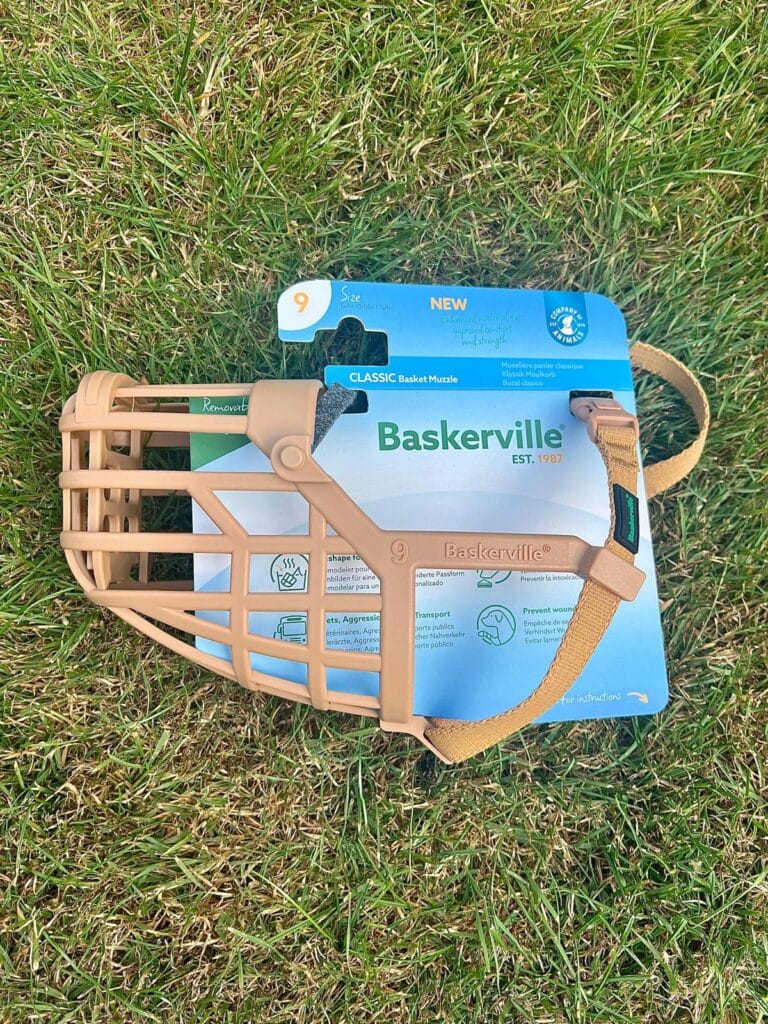
Specially designed basket muzzles can help prevent scavenging while still allowing your dog to pant, drink, and enjoy their walk.
Following Breed Specific Requirements
In some countries or situations, certain breeds may be legally required to wear a muzzle in public. Training beforehand helps prevent unnecessary stress if these rules apply.
Supporting Dogs with Reactivity
For dogs that are reactive towards other dogs or people, a muzzle can be an invaluable safety tool while working through a behaviour modification plan with a qualified trainer or behaviourist.
No owner wants to imagine their dog slipping its lead or escaping unexpectedly, but accidents can happen. A well fitted basket muzzle provides an extra layer of protection should the unforeseen occur, helping to prevent injury while your dog is brought back under control.
Muzzle training can also benefit the person handling the dog. Many owners of reactive dogs feel anxious on walks, worrying about what might happen if another dog approaches unexpectedly or if equipment fails. Dogs are incredibly perceptive and often pick up on our emotions. When owners feel more confident because they have sensible safety measures in place, they are often able to remain calmer and more relaxed. This, in turn, can help their dog feel more at ease.
It’s important to remember that a muzzle is not a substitute for training or behaviour work. It should be used alongside positive, reward-based training to help your dog become more comfortable and confident around the things they find challenging. Used correctly, a muzzle provides peace of mind, protects everyone involved, and allows training to take place more safely.
Protecting your Dog Legally
Muzzle training can also help protect your dog if an unexpected incident occurs.
While every situation is assessed on its own facts, any dog involved in an incident that results in injury to a person or another animal may be subject to investigation.
In London, for example, incidents may be dealt with under the Metropolitan Police’s LEAD (Local Environmental Awareness on Dogs) initiative. Depending on the circumstances, this could begin with a LEAD “Coming to Notice” letter. If further incidents occur, additional interventions may follow, including restrictions such as requiring the dog to be kept on a lead or wear a muzzle in public. In the most serious cases, a dog may be seized, prosecuted under the relevant legislation and, where ordered by the courts, there is a risk of euthanasia.
Unfortunately, owners of larger and more powerful breeds, including Akitas, often feel that their dogs are judged more harshly because of misconceptions and stereotypes surrounding the breed. Whether or not that perception is justified in every case, preventing an incident in the first place is always the best outcome.
This is particularly worth considering if you regularly exercise your dog in busy public parks, urban areas, or other popular walking locations where there may be numerous off lead dogs. Many owners have also experienced dogs approaching while their owners are distracted by their phones or have little control because their dog is at the end of a long flexi lead. Even the most responsible owner cannot control the behaviour of other people or their dogs.
If your dog is reactive, nervous around other dogs, or you’re still working through a training plan, a well fitted basket muzzle can provide valuable peace of mind. Knowing that your dog cannot bite if an unexpected situation develops often helps owners feel calmer and more confident on walks. In turn, this calmer handling can have a positive effect on the dog, allowing training to continue in a more relaxed environment.
A well fitted muzzle provides an additional layer of safety if the unexpected happens, whether that’s an off lead dog rushing over, a lead breaking, a gate being left open, or a dog reacting out of fear or frustration. It helps reduce the risk of injury and demonstrates that you are taking responsible, proactive steps to manage your dog safely.
It’s also worth remembering that an incident can have wider consequences. Insurance providers may review or alter cover following claims involving aggression or bites, and if a person is injured, including through redirected behaviour during a dog altercation, there may be legal or civil implications.
Choosing to muzzle train your dog is not an admission that your dog is dangerous. Quite the opposite. It demonstrates responsible ownership, an understanding of risk, and a commitment to protecting your dog, other animals, and the public. For breeds such as the Akita, which are often unfairly judged because of their size and appearance, being proactive can make all the difference if the unexpected happens.
Muzzle training isn’t about expecting the worst. It’s about being prepared, reducing risk, and giving both you and your dog the best possible protection should an accident occur.
What Makes a Good Muzzle?
Not all muzzles are created equal.
A properly fitted basket muzzle is generally the safest and most comfortable option for longer periods of wear.
A good basket muzzle should allow your dog to:
Pant fully
Drink water
Take treats
Breathe comfortably
Yawn naturally
Fabric or sleeve muzzles that hold the mouth closed should never be used, unless under professional guidance and as a temporary measure e.g. to prep for surgery. They are not suitable for walks or extended wear, as dogs need to pant to regulate their body temperature.
How to Introduce a Muzzle
The key is to make the muzzle something your dog enjoys.
Take things slowly:
Let your dog investigate the muzzle at their own pace.
Reward them with treats and over the top praise whenever they show interest.
Encourage them to voluntarily place their nose inside.
Gradually increase the time they wear it.
Pair muzzle wearing with enjoyable activities such as walks, games, or tasty treats.
Never force the muzzle onto your dog or use it as a punishment. The goal is for your dog to see it as something positive.
A Muzzle Is Not a Substitute for Training
While muzzles are an excellent management tool, they do not solve behavioural problems.
If your dog is showing signs of fear, anxiety, or aggression, seek help from a qualified, reward based behaviour professional. Muzzle training should work alongside behaviour modification, not replace it.
Final Thoughts
Muzzle training is one of the most valuable life skills you can teach your dog. It isn’t about expecting the worst. It’s about being prepared for the unexpected.
Whether it’s an emergency trip to the vet, recovering from an injury, preventing dangerous scavenging, or simply making stressful situations safer, a muzzle can be an invaluable piece of equipment.
Teaching your dog to wear one with confidence is a responsible choice that shows thoughtful, proactive ownership. The more we normalise muzzle training, the more we help remove the unfair stigma surrounding dogs that wear them.
After all, a dog wearing a muzzle is often a sign of an owner who cares enough to plan ahead.